DINDEUDINDEU
Marketing Automation for Small Business (2026 Practical Guide)
Automation
Automation12 July 2025·4 min read

Marketing Automation for Small Business (2026 Practical Guide)

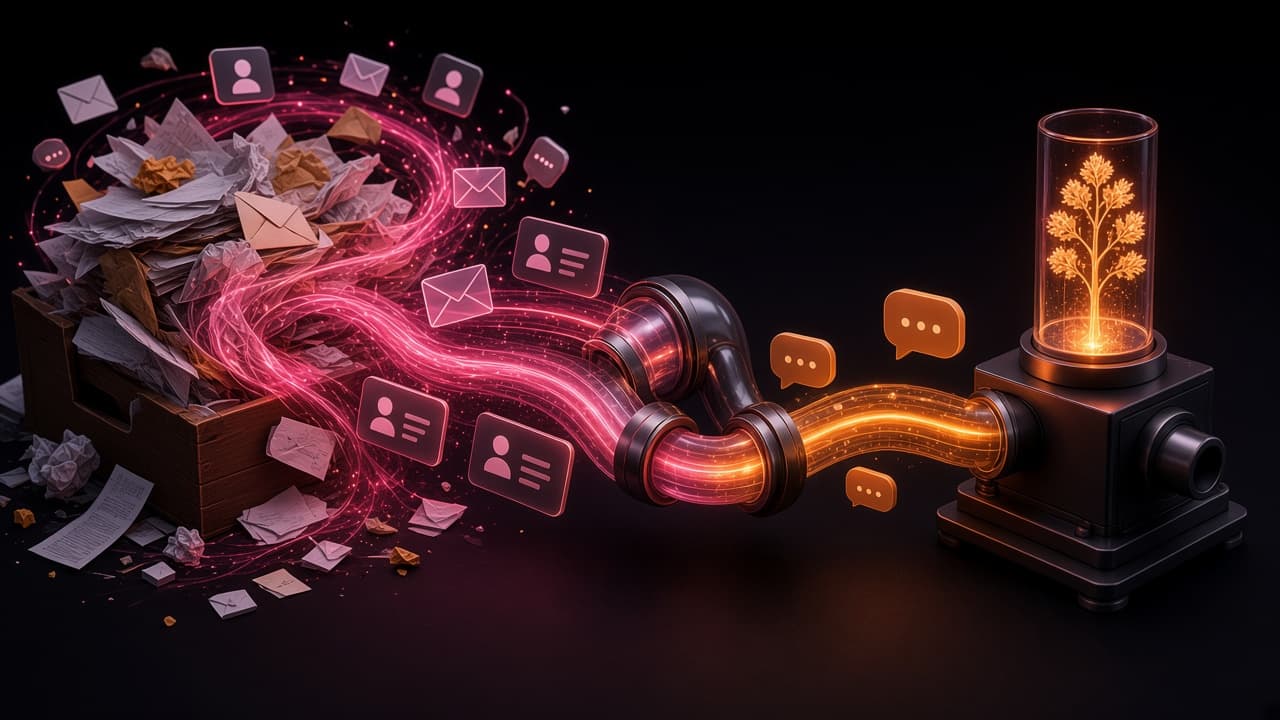
Most small businesses believe automation is complex.

D
DINDEU Editorial

Berlin growth studio

Scroll

Executive summary

In 2026, marketing automation for small business is no longer optional — it is the difference between chaotic growth and predictable revenue.

01

Introduction

Most small businesses believe automation is complex.
It isn’t.
It’s misunderstood.
If you are running:
An aesthetic clinic
A tax consultancy
A real estate agency
A professional service business
A Berlin-based SMB
Automation is your competitive advantage.
This guide explains exactly how to implement automation systems — practically and strategically.
02

What Is Marketing Automation for Small Business?
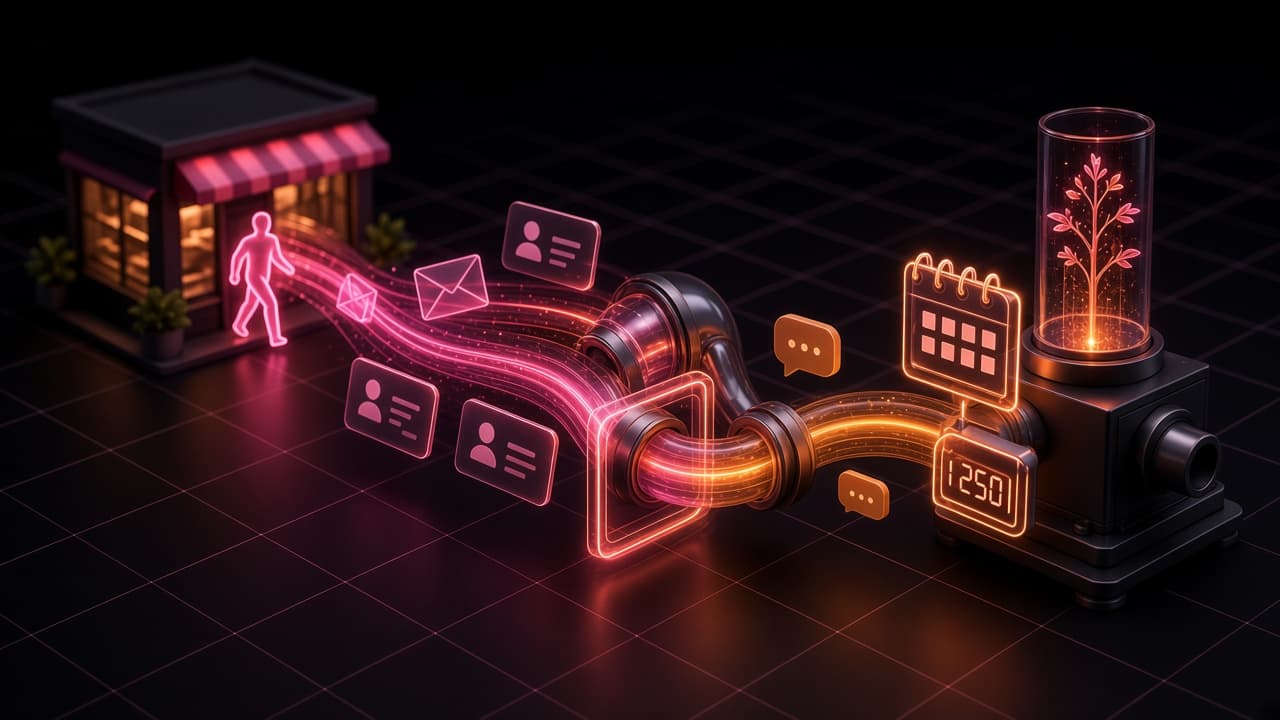
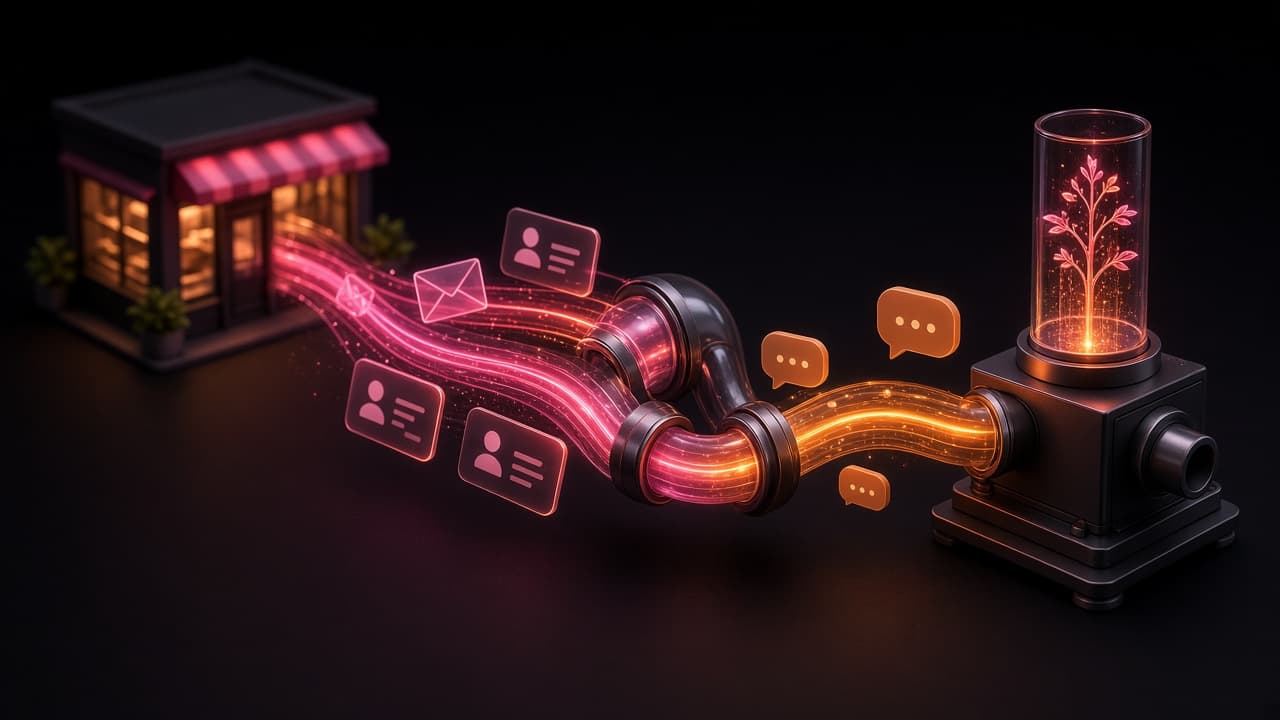
Marketing automation for small business is the structured use of digital systems to:
Capture leads
Qualify prospects
Send follow-ups automatically
Nurture trust
Book appointments
Track performance
Reactivate lost leads
It replaces manual follow-ups with structured workflows.
Automation is not about replacing people.
It is about removing friction.
What Is Marketing Automation for Small Business? — DINDEU Blog
What Is Marketing Automation for Small Business?
03

Why Most Small Businesses Lose Leads Without Realising It

Common leakage points:

Website form submissions not tracked due to weak UI and UX design for small business websites

No automatic email confirmation
Slow WhatsApp replies
No reminder system
No missed-call follow-up
No abandoned inquiry recovery
Every delay reduces trust.
Trust determines conversion.
04

The 5 Core Automation Systems Every Small Business Needs

1. Lead Capture Automation

When someone submits a form:
Instant email confirmation should trigger
CRM entry should be created
Internal notification should be sent
Lead source should be tracked
Without this, data is lost.

2. Follow-Up Automation

Most conversions happen after the first interaction.
Automated follow-up should include:
Reminder emails
Educational content
Testimonials
FAQ clarification
Booking nudges
Automation increases perceived professionalism.

3. Consultation or Booking Automation

If you run appointments:
Automated calendar sync
SMS reminders
Email reminders
Reschedule options
Pre-meeting preparation instructions
Reducing no-shows increases revenue instantly.

4. Reputation Automation

After service delivery:
Automatic review request
Follow-up reminder if not completed

Google review link integration and proper Google Business Profile optimization

Online reputation is not accidental.
It must be engineered.

5. Reactivation Automation

Inactive leads are assets.
A structured reactivation campaign can:
Send seasonal offers
Share updates
Offer new services
Re-engage previous clients
Reactivation costs less than new acquisition.
05

The Financial Impact of Marketing Automation

Example:
1,000 website visitors per month
20 inquiries
10 bookings
5 conversions

If automation improves follow-up speed and booking clarity, bookings may increase from 10 to 15.

That alone can increase revenue significantly without increasing traffic.

Automation improves conversion rate before increasing ad spend, something businesses often discover after fixing the issues discussed in common Meta Ads mistakes businesses make.

06

Practical Automation Stack for Small Businesses
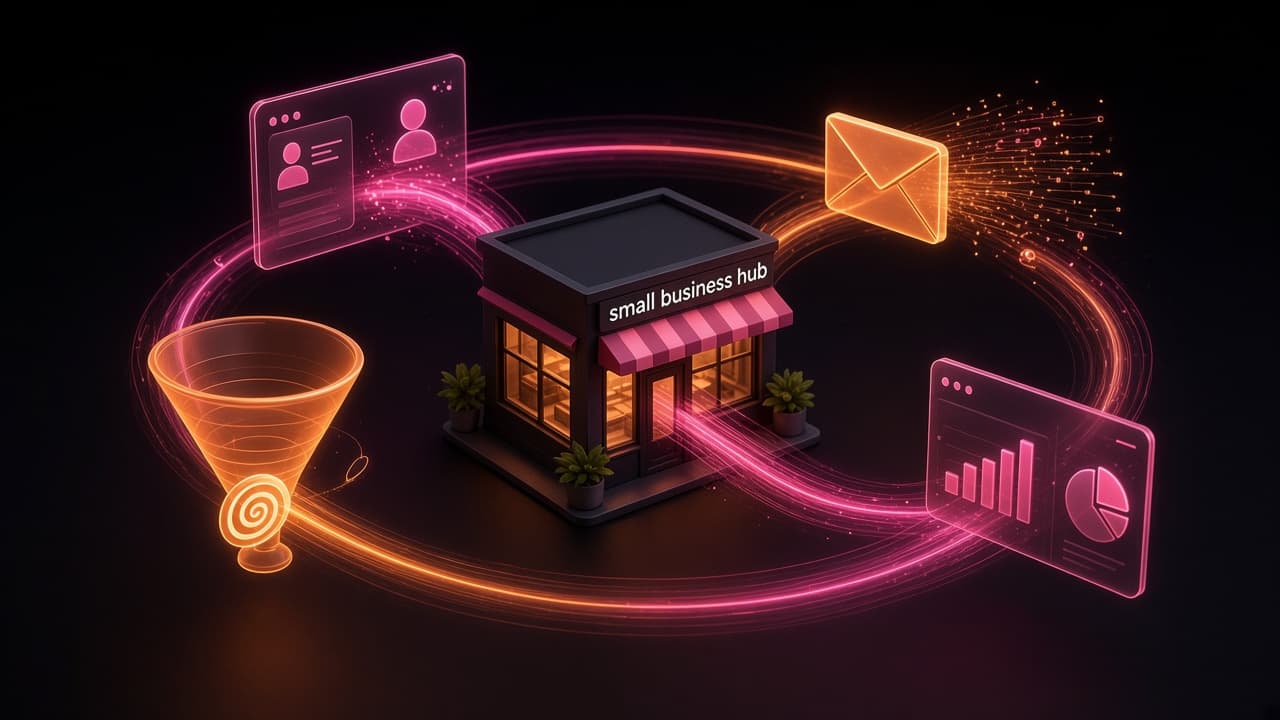
A typical automation stack includes:
CRM system
Email automation platform
Booking integration
Lead tracking
Analytics dashboard
You do not need enterprise software.
You need structure.
Practical Automation Stack for Small Businesses — DINDEU Blog
Practical Automation Stack for Small Businesses
07

Marketing Automation Strategy 2026: What Changes?

In 2026:
Customers expect instant responses
Manual processes feel outdated
Google and Meta data integration matters
Lead tracking must be accurate
CRM intelligence is critical

Automation is becoming baseline infrastructure. Businesses often begin implementing these systems after working with a marketing agency in Berlin that understands structured growth.

Businesses without automation appear disorganised.
08

Common Automation Mistakes

Overcomplicating workflows
Sending too many emails
Ignoring personalization
No segmentation
No tracking metrics
No human oversight
Automation should feel helpful, not robotic.
09

How to Implement Automation Step-by-Step

Step 1: Audit existing lead flow
Step 2: Identify leakage points
Step 3: Choose CRM platform
Step 4: Build simple workflows first
Step 5: Integrate booking system
Step 6: Add review automation
Step 7: Track conversion impact
Start simple. Scale gradually.
10

FAQ: Marketing Automation for Small Business

Is marketing automation only for large companies?
No. Small businesses benefit more because automation reduces manual workload and improves consistency.
Does automation replace human interaction?
No. It enhances responsiveness and ensures no lead is ignored.
How expensive is automation?
Costs vary, but automation often increases revenue enough to justify implementation quickly.
How long does it take to see results?
Many businesses see improved response rates and booking increases within weeks.
11

Final Thoughts

Marketing automation for small business is not about technology.
It is about discipline.
It is about structure.
It is about protecting every inquiry.
In 2026, businesses that automate intelligently will outperform those that rely on manual processes.
Automation is not the future.
It is the present.
Final Thoughts — DINDEU Blog
Final Thoughts

Key takeaway

Most small businesses believe automation is complex.

Written by DINDEU Editorial

Websites, paid media, SEO/AIO, automation, and design — one connected growth system.

Ready to put this into action?

Book a free 30-minute strategy call. Zero commitment, clear next steps.